
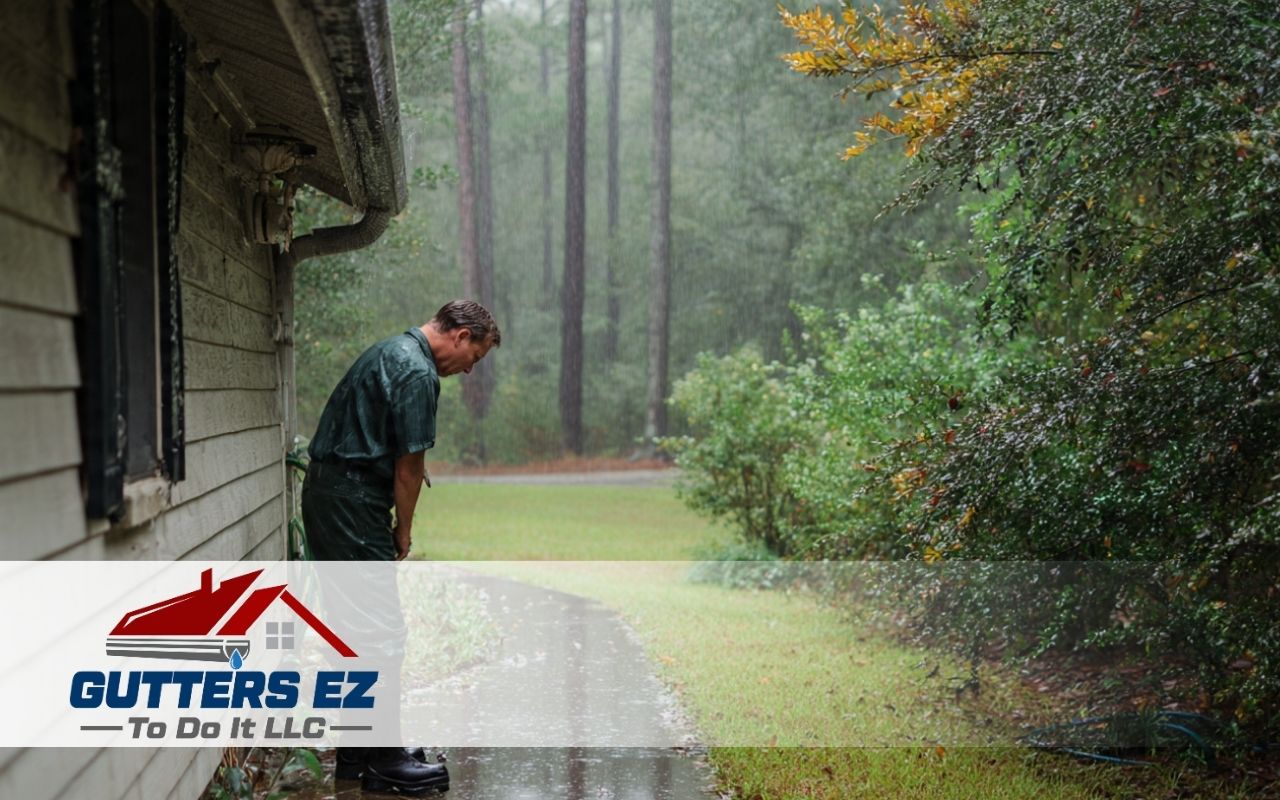
Set the Best Downspout Extension Distance for a Cold Pennsylvania Winter
Downspout Extension Distance in Pennsylvania Winter matters because snow and ice melt fast. Then, that water can refreeze near your home. As a result, many homeowners face basement leaks and soil washout. By setting the right distance now, you guide runoff away and avoid winter surprises.
Even better, small add-ons can help a lot. For example, splash blocks spread water and reduce erosion. Also, a steady drainage slope keeps water moving. In Pennsylvania, winter is harsh, so simple changes can protect your home for months.
Why Downspout Extension Distance in Pennsylvania Winter Matters in Cold Months
During a thaw, meltwater can pool near basement walls. Then, overnight cold turns it into ice. This freeze risk can raise pressure on the foundation and worsen cracks. Therefore, keeping water away is a key step for foundation protection.
Extend discharge at least four to six feet from the home when possible. Also, keep the ground sloping away. When water flows downhill, it is less likely to sit and refreeze. In addition, splash blocks help spread the flow and limit sharp erosion lines.
Factors That Help You Choose the Right Extension Length
First, think about how much snow you usually get and how fast it melts. A fast thaw can create heavy runoff in minutes. Consequently, you may need a longer runout to keep water from pooling near the wall. With Downspout Extension Distance in Pennsylvania Winter set right, the yard can handle thaws better.
- Soil type: clay drains slowly, while loam and sand drain faster.
- Yard grade: keep at least a 2% drainage slope away from the house.
- Obstacles: shrubs, rocks, and beds can trap water and cause icy pockets.
- Runoff path: avoid sending water toward walkways or neighbors.
Use a simple level to confirm the slope. Moreover, watch where water wants to go. If it collects anywhere, adjust the extension path to avoid that spot.
Check Your Foundation for Weak Spots Before Winter
Look for cracks, damp marks, or peeling paint on foundation walls. Even tiny cracks can take in moisture. Then, freeze and expansion can make them worse over time. So, sealing early can prevent bigger issues later.
Next, check the soil near the house for low spots. These dips can collect meltwater and freeze in place. After that, test drainage after a hard rain. If puddles sit longer than 30 minutes, your drainage is likely poor.
Pick a Downspout Extension Material That Fits Your Yard
Material choice affects reliability in cold weather. Some options stay flexible, while others hold shape better. In either case, aim for a smooth path and steady slope. For helpful add-ons, explore gutter accessories in Montgomery County, PA that match your setup.
- Corrugated plastic: flexible, easy to route, and resists kinks when placed well.
- Rigid PVC: durable, straight, and less likely to sag during freeze-thaw cycles.
- Metal or aluminum: sturdy and stable, especially during heavy runoff events.
Also, pair your outlet with splash blocks when soil washes out. As a result, water spreads wider and cuts fewer channels through the yard.
Install Extensions So Water Keeps Moving Away
Measure from the downspout outlet to a spot where water naturally drains away. Then, cut the extension to fit around beds or paths. Secure each joint with a clip or screw, so it will not separate during a surge. A well-set Downspout Extension Distance in Pennsylvania Winter reduces pooling near the wall.
Keep a gentle fall of about 1/4 inch per foot where you can. Before you cover anything, test with a hose. If water backs up or pools, fix low spots. Finally, place a splash block under the outlet to limit soil splash and reduce ice near the base.
Maintain and Check Extensions Through the Winter
Winter changes fast, so quick checks matter. After each snowfall or thaw, look for ice buildup inside the runout. Also, clear leaves and grit that slow flow. When water slows, freeze risk goes up, and water may return toward the house.
- Tap or shake the extension gently to break small ice blocks.
- Brush out debris at the entry and the outlet area.
- Recheck the drainage slope after snow compaction or soil settling.
- Fix reverse pitch by adding or removing soil under the runout.
If you suspect a worn part, review signs you need downspout replacement before the next storm cycle hits.
Extra Ways to Reduce Snowmelt Damage Around Your Home
Add gravel at the outlet to slow runoff and reduce splash-back. This works much like a splash block and helps protect siding and walkways. Also, gutter guards can limit debris that causes clogs and ice. In tougher spots, heat tape on a problem runout may help keep flow open.
Benefits You Get When the Distance and Slope Are Right
Fixing water control is easier than fixing a foundation. Proper Downspout Extension Distance in Pennsylvania Winter supports foundation protection by keeping meltwater away from cracks. As a result, you lower the chance of leaks, heaving, and costly repairs.
A drier basement can also feel warmer, so heating may work more efficiently. Moreover, buyers often notice good drainage. In regions with high freeze risk, a clean runoff plan can make your home more appealing.
When to Get Help for a Winter-Ready Setup
If you are unsure about soil, slope, or outlet direction, professional help can save time. A local pro can use levels and simple tests to map runoff. For support from Gutters Ez To Do It LLC, use the contact Gutters Ez To Do It LLC page to discuss your property layout and winter concerns.
Frequently Asked Questions
How far should my downspout extend in winter?
In many cases, four to six feet helps. However, soil and slope can change what works best.
Why is slope as important as length?
If the drainage slope is flat, water can sit and refreeze. Therefore, even a long extension may underperform.
Do splash blocks still help in freezing weather?
Yes. Splash blocks spread flow and reduce erosion. Also, they can limit icy pooling right at the outlet.
What soil types need longer extensions?
Clay and compacted soil drain slowly. Consequently, they often need longer runouts to avoid pooling.
How do I spot winter drainage problems early?
Watch for ice sheets near walls, puddles after thaws, and damp basement spots. Then, adjust the outlet path.
Keep Your Home Safer With Smart Downspout Planning
Small steps can make a big difference before the first deep freeze. Downspout Extension Distance in Pennsylvania Winter is most effective when water exits, spreads, and keeps moving away. Start with slope, add splash blocks when needed, and check after storms. With steady care, your home stays drier, safer, and calmer all season.