
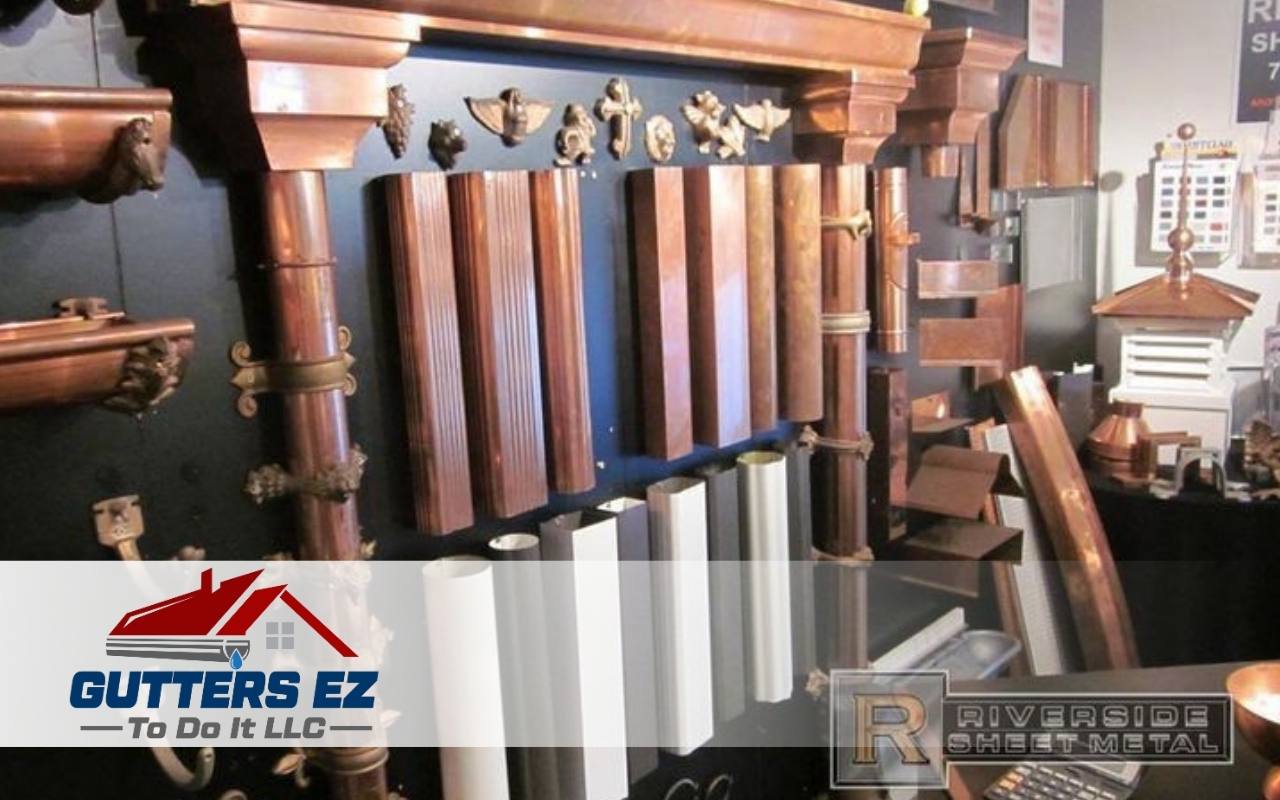
Modern Gutter Materials: Your Guide to a Smarter Upgrade
If you’re replacing old gutters, choosing the right material is one of the most important decisions you’ll make. Modern gutter materials offer better performance, durability, and curb appeal than ever before—but not all options are created equal.
In this blog, we’ll break down material comparisons, share insight on the gutter installation process, and help you avoid common mistakes homeowners often make. You’ll also learn about post-installation maintenance to protect your investment.
Choosing the Right Gutter Material for Your Home
Compare Popular Gutter Options
Modern gutters are made from a range of materials, each offering different advantages.
Vinyl is the most budget-friendly option and requires minimal maintenance, but it tends to fade over time and can crack in extreme weather.
Aluminum strikes a strong balance between cost, durability, and appearance—it’s rust-free, lightweight, and available in a wide range of colors.
Galvanized steel is a heavy-duty option known for its strength and longevity, though it can require more maintenance and may be prone to rust over time.
For a premium look, copper gutters offer elegance and exceptional durability with minimal upkeep, developing a natural patina over time.
Among these, aluminum and copper stand out as top choices. Both provide excellent performance while adding style and curb appeal to your home. Vinyl may be tempting for its low cost, but it’s more vulnerable to wear and tear—especially in areas with harsh weather conditions.
Common Mistakes When Replacing Gutters
Don’t Skip These Details
When replacing old gutters, these are the mistakes to avoid:
- Using outdated materials that don’t last or fit your climate
- Improper slope or alignment, leading to standing water
- Neglecting gutter guards, which help reduce debris
- Skipping professional installation, which often causes future leaks
The best way to avoid these problems? Work with an expert who understands how to match your roof style, drainage needs, and local weather conditions.
The Gutter Installation Process
From Removal to Final Test
Here’s how a typical gutter installation process works:
- Inspect and measure: Your old gutters are assessed and measured for removal.
- Remove old gutters: The existing system is safely taken down.
- Install brackets and hangers: These support the new system and keep it aligned.
- Install new gutters: Seamless pieces are cut and connected on-site.
- Test water flow: Everything is checked for leaks and drainage.
Post-Installation Maintenance
Keep Your Gutters in Top Shape
Once you’ve installed new gutters using modern materials, keeping them clean is key. Seasonal cleanings—especially in fall and spring—are essential to prevent buildup.
It’s also important to check for sagging or loose brackets, flush downspouts to avoid clogs, and inspect joints and seams after heavy rain. To make maintenance easier, consider adding gutter guards or covers to help reduce the accumulation of leaves and debris.
If you notice any issues, here’s how to repair gutters properly to keep your system working smoothly.
FAQs – Modern Gutter Materials
Which modern gutter material lasts the longest?
Copper gutters offer the longest lifespan—often over 50 years. Aluminum also performs well, lasting 20–30 years with low maintenance.
Can I install modern gutters on my own?
DIY is possible but not always advised. Improper slopes or gaps can cause water damage. It’s best to work with pros for full replacements.
What’s the most affordable gutter material?
Vinyl is the least expensive upfront but wears out faster. Aluminum is a good mid-range option with strong value.
Upgrade With Gutters Ez To Do It LLC
If you’re considering replacing old gutters, make the switch to modern materials that last longer and look better. At Gutters Ez To Do It LLC, we guide you through material selection, professional installation, and follow-up care. Let us help you choose the best gutter system for your home.
Contact us today to upgrade your gutters with confidence.