
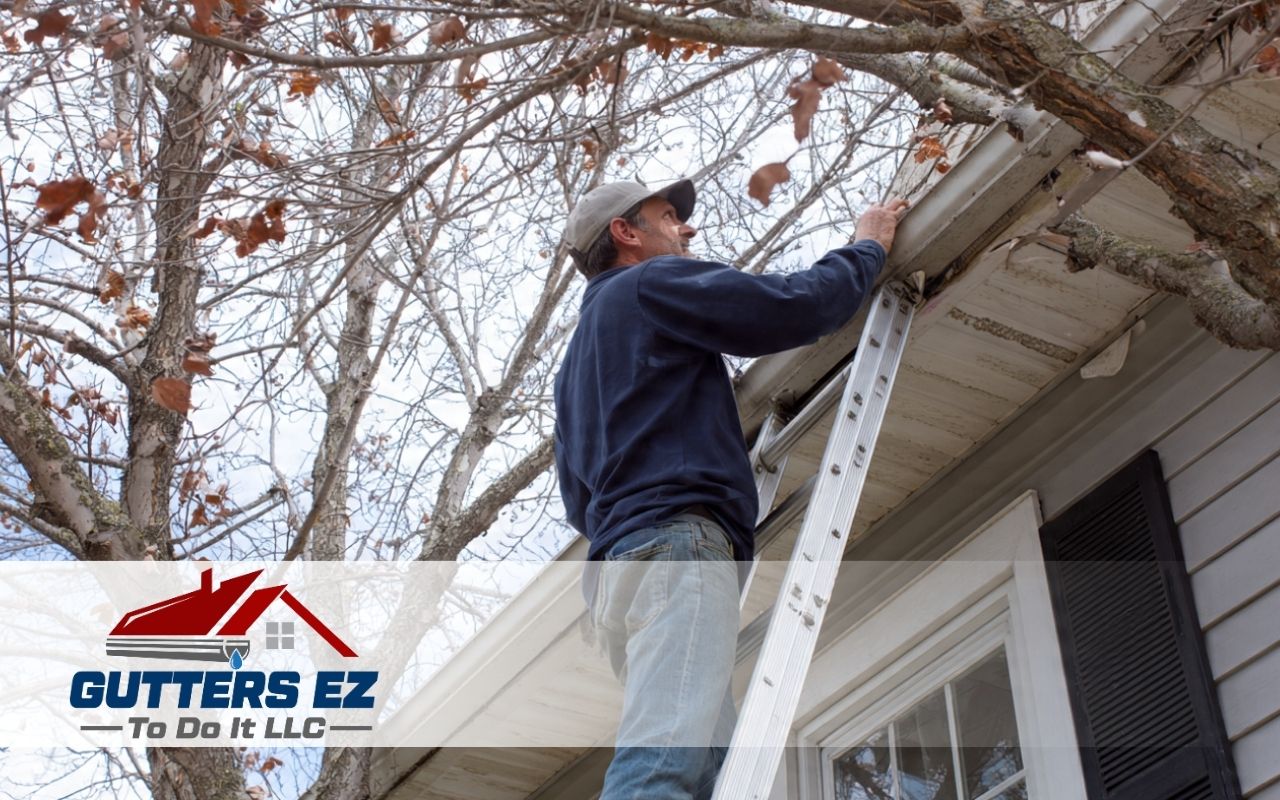
Protect Your Roof with a Winter Gutter Maintenance Checklist
A Winter Gutter Maintenance Checklist helps you prepare your home for cold weather and protect your roof. Cold months bring wind, snow, and freezing rain, and each one strains your gutter system if small issues go unnoticed.
With a simple plan to winterize gutters, you lower the risk of leaks, slippery paths, or ice building inside downspouts. This checklist explains what to look for during a cold-weather inspection, how to keep roof runoff moving, and when to take action.
With easy tools and careful habits, you reduce repair costs, protect walls and foundations, and feel calmer during storms. Follow each section before, during, and after winter weather to keep water flowing where it should and enjoy lighter spring cleanup.
Inspect Gutters Before the First Freeze
Begin with a cold-weather inspection while days are still above freezing. Walk around the home and look for sagging sections, peeling sealant, loose brackets, and stains on siding. Check end caps and joints, because these points often leak first.
Gently lift each run to test stability and secure any movement with the right fasteners. Examine fascia boards for soft spots that suggest hidden water damage. Notice areas where tree limbs hang over the roof, since falling twigs can quickly clog troughs.
- Look for sagging or loose gutter runs.
- Check joints, end caps, and brackets for early leaks.
- Inspect fascia boards for softness or discoloration.
- Identify branches that drop leaves and twigs onto the roof.
Then use a hose to run water through each section and confirm that roof runoff reaches downspouts smoothly. If water pools or spills over, mark those locations for pitch adjustment or cleaning. Finally, record your findings in a simple checklist so nothing gets missed when temperatures drop.
If you notice serious damage or loose sections, consider professional gutter maintenance in Montgomery County, PA before the first freeze.
Clear Debris and Wash the Channels
Next, remove leaves, seed pods, and small twigs along the entire line. Scoop debris with a gutter scoop or a small plastic trowel to avoid scraping metal. Place the waste into a bucket or tarp instead of dropping it to the ground, which can stain sidewalks.
- Scoop out large leaves and twigs by hand.
- Collect debris in a bucket or on a tarp.
- Wear gloves and eye protection while you work.
After the large pieces are gone, rinse channels with low-pressure water to push fine grit toward downspouts. Keep the spray gentle, because strong pressure can loosen sealant or create leaks at seams. If muddy residue sticks, use a soft brush and mild soap to clean it.
Finally, confirm that each hanger is tight and that the gutter edge sits just under the roof line. Clean outlets at each downspout opening, since small clogs here can create surprise overflows during winter storms. Once clean, gutters carry snowmelt more easily and reduce slippery ice patches below.
Check Slope and Adjust for Steady Flow
After cleaning, aim for a slight, even pitch so water travels toward downspouts without pooling. Test the slope by placing a short level along the gutter and looking for a gentle drop toward outlets. If water stands still after rinsing, the pitch is likely too flat or reversed.
Loosen brackets carefully and raise or lower sections until the line falls evenly. Avoid sharp dips that trap debris and freeze into heavy ice later. Confirm that joints meet smoothly, since misaligned seams slow flow and invite leaks. Then run water again from the far end and watch the travel time.
Smooth, steady movement means the slope is correct. A well-angled system helps roof runoff leave quickly during thaws, lowering stress on gutters and stopping ice from forming long, heavy ridges along the eaves.
Seal Leaks and Strengthen Joints
Now focus on joints, corners, and end caps, because these parts experience the most strain from expansion and contraction in cold weather. Dry each area fully before applying sealant, since moisture trapped underneath weakens the bond. Choose a flexible, weather-safe sealant that stays elastic through freezes and thaws.
Press sealant into cracks and smooth it so water cannot catch an edge. Replace worn rubber gaskets on sectional systems and tighten loose screws to add strength. If small holes appear along the trough, patch them with compatible material and seal the edges well.
After repairs cure, test by running water and checking beneath for drips. Careful sealing supports your plan to winterize gutters and reduces the chance of surprise leaks that soak walls, stain sidewalks, and refreeze into hazardous, nearly invisible sheets.
Protect Downspouts and Prevent Ice Buildup
Keep downspouts clear and straight so meltwater can exit quickly during short warm-ups. Remove elbows to check for trapped leaves or grit, then reattach them tightly. If downspout ice is common in your area, think about insulating the first exposed section or adding heat tape designed for wet locations.
- Clear each downspout from top outlet to ground.
- Check elbows for packed debris and small stones.
- Add safe heat tape where downspout ice repeats.
- Protect lower elbows from snowblower discharge.
Ensure downspouts end several feet from the foundation to avoid puddles that can freeze into slick hazards. Use extensions or splash blocks to guide water away across level ground. In heavy snow regions, shield the lower elbow from falling drifts and check for dents that may catch debris.
A clean, protected downspout lowers pressure inside the gutter, keeps roof runoff moving, and cuts the risk of bursting seams on the coldest nights. When ice problems continue, consider expert help to prevent ice dams in Pennsylvania.
Add Guards or Screens for Easier Winter Care
To reduce future clogs, choose simple guards or screens that match your gutter style and roof material. Mesh screens block large leaves while still letting water enter, and solid covers shed debris using a curved edge. Before installing, confirm gutters are clean, sealed, and pitched correctly, because guards only work well on a healthy system.
Cut pieces to size, seat them firmly, and secure them so wind cannot lift edges. After storms, brush off the top surface to keep openings clear. Watch the first few rains or melts and check for overflow, which may signal gaps or panels that do not fit well.
Guards do not remove maintenance, but they reduce how often you climb ladders in winter. Fewer clogs mean fewer freeze-ups, less downspout ice, and a calmer season of roof runoff management from the ground.
Guide Roof Runoff Safely Away from the House
Plan where water should go before heavy weather arrives. Confirm each downspout has an extension or a splash block that moves water at least a few feet from the foundation. Aim flow toward open ground, not paths, porches, or driveways where it could refreeze and cause falls.
If your yard slopes back toward the house, add longer extensions or flexible drain tubing to direct roof runoff to a safer spot. Keep yard drains free of leaves so they accept meltwater during thaws. In very wet spells, place temporary diverters to move water around garden beds.
Watch for erosion that might expose roots or footings, then add gravel or stones where needed. Simple planning keeps melted snow from returning to the house, reduces slippery areas, and protects soil, paving, and basement walls during harsh cold snaps.
De-Icing Tactics That Protect Gutters and Roofs
When ice forms, choose gentle methods first. Use a roof rake with a long handle to pull loose snow from the eaves without climbing. Reduce weight on gutters by clearing the first few feet of snow after heavy storms.
For ice, place calcium chloride ice-melt socks on the roof edge to create channels for water. However, avoid rock salt, which can stain surfaces and harm nearby plants. Never chip ice directly from gutters, because metal can bend and sealant can tear.
If icicles form, rope off the area below to protect people and pets. Then manage indoor heat loss that may feed ice dams. Seal attic air leaks, add insulation where safe, and improve ventilation to keep the roof surface colder.
Better building airflow limits ice growth and helps your Winter Gutter Maintenance Checklist work all season without constant emergency scraping.
Stay Safe on Ladders During Cold Weather
Always treat safety as the first task. Wear boots with good grip, and check ladder feet for clean, dry pads before setting up. Place the base on firm, level ground and follow the four-to-one rule: for every four feet of height, move the base one foot out.
Keep three points of contact while climbing, and never overreach. Instead, move the ladder slowly and carefully. In icy conditions, ask a helper to hold the base and watch for sudden gusts. Use a tool belt or bucket hook so your hands stay free.
If wind, snow, or darkness reduce visibility, stop and return when conditions improve. Cold fingers lose strength quickly, so take breaks to warm up. Safe ladder habits protect you and make the rest of the Winter Gutter Maintenance Checklist easier and more effective.
Check After Storms and During Thaws
After each major storm or sudden warm-up, look over the system. Walk the perimeter and note new drips, stained siding, or splash marks on soil that suggest overflow. Tap downspouts gently to hear whether ice remains inside, since a dull sound can mean a hidden clog.
Clear fresh debris from gutter guards and visible outlets so meltwater can exit freely. If heavy icicles hang, mark the area below to prevent accidents. During thaws, use a hose to test flow where it is safe and watch for slow sections.
Record small issues and fix them during the next calm, sunny window. Regular attention keeps problems small, supports your cold-weather inspection routine, and helps roof runoff travel away without forming puddles, refreezing sheets, or extra weight that could bend brackets and seams.
Frequently Asked Questions
How often should I follow a Winter Gutter Maintenance Checklist?
Ideally, you should walk through your checklist once in late fall, then again after major midwinter storms. Finally, do a third review in early spring to catch any damage.
How can I tell if my gutters need professional service?
Call a pro if you see repeated leaks, pulling sections, or large areas of downspout ice. When you spot these issues, schedule a winter gutter inspection for a safe repair.
Are gutter guards enough to winterize gutters?
Gutter guards greatly reduce debris, yet they do not replace regular checks. You still need to inspect joints, watch for ice, and confirm that roof runoff flows freely after storms.
What should I do if I already have ice dams?
If ice dams appear, avoid chipping them. Instead, use safe ice-melt products, rake snow from the eaves, and improve attic insulation and ventilation. For serious ice, contact a local specialist.
Can I complete cold-weather inspection tasks on my own?
Many homeowners handle simple cleaning and visual checks. However, if ladders feel unsafe or damage seems large, it is better to hire an experienced gutter team for help.
Plan Spring Follow-Up for Long-Term Protection
As winter ends, set a spring date in your calendar to review all repairs and upgrades for next season. Replace worn brackets, add missing splash blocks, and consider better guards if clogs persisted. Then trim branches that shed heavy debris over the roof.
Wash gutters thoroughly to remove winter grit and check for hidden damage under paint or sealant. If repeated downspout ice occurred, explore insulation, routing changes, or attic ventilation improvements that balance roof temperature. Update your notes with what worked well and what needs change.
Good records help you use your Winter Gutter Maintenance Checklist more efficiently next year. A little planning now reduces emergency work when the first cold front arrives again, protects walls and foundations, and keeps your home drier and safer through many winters.